


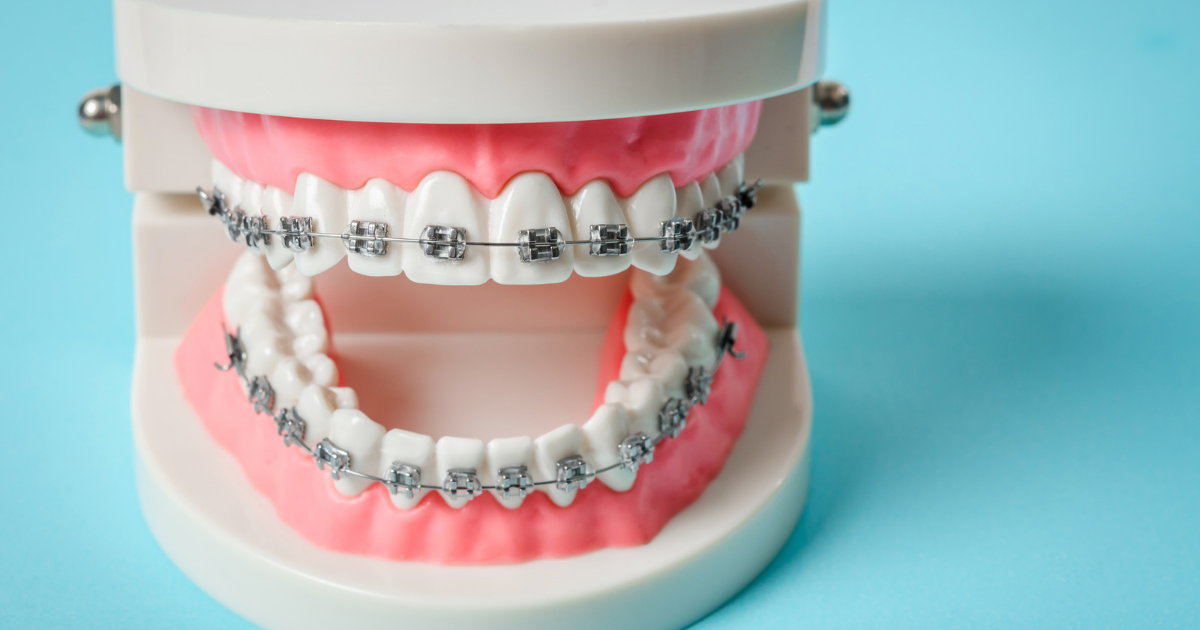
7 Signs It Might Be Time to See an Orthodontist
Understanding When Braces May Be Right for You
Have you ever wondered whether you or your child might benefit from braces? While many people associate orthodontic treatment with achieving a straighter smile, braces can also help address bite alignment and tooth positioning.
Crowded teeth, difficulty biting comfortably, and gaps between teeth are just a few signs that an orthodontic assessment may be worthwhile. However, not everyone with these concerns needs braces, and the best treatment option depends on your individual needs.
If you’re wondering whether braces might be right for you, here are seven signs it may be time to schedule a consultation with an orthodontist.
Your Teeth Are Crowded or Overlapping
One of the most common reasons people explore braces is dental crowding. This happens when there isn’t enough space in the jaw for the teeth to align comfortably, causing them to overlap, twist, or appear crooked.
Crowded teeth can sometimes make brushing and flossing more challenging because certain areas are harder to reach. Over time, difficulty cleaning between teeth may contribute to plaque buildup and increase the risk of tooth decay and gum disease.
An orthodontist can assess your tooth alignment and determine whether braces or another treatment option may help create a more functional, well-aligned smile.
You Have Noticeable Gaps Between Your Teeth
Small gaps between teeth can be completely normal. However, larger spaces or gaps that develop over time may be worth discussing with an orthodontist.
Gaps can occur for several reasons, including differences between tooth and jaw size, missing teeth, or changes in the tissues supporting your teeth.
Depending on the cause and your treatment goals, braces may help move teeth closer together. An orthodontist can evaluate the underlying reason for the gaps and recommend an appropriate approach.
Your Bite Doesn’t Feel Quite Right
When you close your mouth, do your upper and lower teeth fit together comfortably? If they don’t, you may have a bite alignment concern.
Common bite issues include:
- Overbite: The upper front teeth overlap the lower front teeth more than expected.
- Underbite: The lower front teeth sit in front of the upper front teeth.
- Crossbite: Some upper teeth sit inside the lower teeth when biting down.
- Open bite: Some upper and lower teeth don’t meet when the mouth is closed.
Certain bite problems can contribute to uneven tooth wear, difficulty chewing, or other functional concerns. An orthodontist can assess how your teeth fit together and determine whether treatment may be beneficial.
You Have Difficulty Chewing or Biting Certain Foods
Eating should feel comfortable. If you regularly have difficulty biting into foods, chewing evenly, or bringing your teeth together, your bite alignment may be worth evaluating.
Some orthodontic concerns affect how the upper and lower teeth meet, potentially making certain chewing movements less comfortable or efficient.
Of course, difficulty chewing can have other causes, including dental decay, damaged teeth, or jaw-related concerns. An orthodontic consultation can help determine whether tooth alignment may be contributing to the issue or whether another dental assessment is needed.
You Frequently Bite Your Cheeks or Tongue
Occasionally biting your cheek or tongue happens to everyone. However, if it occurs frequently, your teeth’s position or the way your bite comes together may be contributing.
Certain alignment issues can affect how the soft tissues inside your mouth sit between your teeth during chewing.
If this happens regularly, consider discussing it with your dentist or orthodontist. They can examine your bite, check for other possible causes, and explain whether orthodontic treatment may help.
Your Teeth Have Shifted Over Time
Were your teeth straighter when you were younger? Have you noticed new gaps, crowding, or overlapping that wasn’t there before?
Teeth can shift throughout life, even after previous orthodontic treatment. Changes may be associated with several factors, including not wearing a prescribed retainer, natural age-related changes, or changes in the tissues supporting the teeth.
If you’ve noticed changes in your smile, an orthodontist can assess what’s happening and discuss your options. Depending on the situation, treatment may involve braces, clear aligners, or another approach. If you previously had braces, your orthodontist may also review your retainer routine.
Your Dentist Has Recommended an Orthodontic Assessment
Sometimes, the first person to notice a potential orthodontic concern is your general dentist.
During routine dental appointments, your dentist may identify crowding, bite alignment issues, tooth wear, or other concerns that warrant further evaluation.
A referral or recommendation for an orthodontic consultation doesn’t automatically mean you’ll need braces. Instead, it provides an opportunity to understand your oral health, explore possible treatment options, and determine whether any intervention is appropriate.
If your dentist has suggested seeing an orthodontist, booking an assessment can help you understand your next steps.
At What Age Should You Consider Braces?
Orthodontic treatment isn’t limited to children. Children, teens, and adults may all benefit from an orthodontic assessment, depending on their dental development and individual needs.
The Canadian Association of Orthodontists recommends that children have their first orthodontic check-up by age seven. At this stage, an orthodontist can identify developing concerns and determine whether monitoring or early intervention may be appropriate. An initial assessment doesn’t necessarily mean treatment needs to begin right away.
For teenagers, orthodontic treatment often takes place as permanent teeth come in. Adults can also explore treatment at many different stages of life, provided their teeth and gums are suitable for the proposed treatment.
The right time to consider braces depends on your individual circumstances rather than your age alone.
What Happens During an Orthodontic Consultation?
If you’re considering braces, an orthodontic consultation is a helpful first step. During your visit, the orthodontist will evaluate your teeth, bite, and overall alignment.
Your appointment may include:
- A review of your dental history and concerns.
- An examination of your teeth and how your bite fits together.
- Photographs, digital scans, or X-rays, if clinically indicated.
- A discussion of potential treatment options, timelines, and costs.
Based on these findings, the orthodontist can explain whether treatment is recommended and which options may be appropriate for you.
Depending on your needs, these options may include traditional metal braces, ceramic braces, or clear aligners. Not every option is suitable for every orthodontic concern, so a personalized assessment is important.
Find Out Whether Braces Are Right for You
Noticing crowded teeth, gaps, or changes in your bite doesn’t necessarily mean you need braces. However, these signs can be a good reason to learn more about your orthodontic health.
An orthodontic assessment can help you understand your options, address concerns, and make an informed decision about your smile.
At Davis Orthodontics, we can assess your orthodontic needs and discuss the treatment options that may be appropriate for you. Whether you’re considering braces, Invisalign or simply want to learn more about orthodontic treatment, a consultation is a great place to start.
Book a free consultation with Davis Orthodontics to explore your orthodontic treatment options.
The information in this article is intended for general educational purposes and should not replace personalized dental advice. Treatment recommendations depend on an individual’s clinical assessment.